
Built for cryogenic performance.
Shell-and-tube heat exchangers, absorber columns, separators, and shop-fabricated ASME vessels and tanks for LNG gas treatment, liquefaction, and low-temperature process service.
Custom equipment for LNG and cryogenic process applications.
The LNG process begins with pre-treatment of feed gas to remove impurities such as H₂S, CO₂, H₂O, mercury and heavier hydrocarbons, before cooling to cryogenic temperatures around −145 °C to −163 °C (−229 °F to −261 °F) for storage and transport.
Harris Thermal has fabricated equipment for LNG producers, EPCs and OEMs across that chain — the ASME-code exchangers, columns, separators and vessels the process requires, including Lethal Service and Cyclic Service designs per ASME Section VIII.
From feed gas treatment to low-temperature service.
Heat Transfer
- Shell & Tube Heat ExchangersPre-cooling, sub-cooling and refrigerant cycle duty.
- Process Coolers & HeatersTemperature control across treatment and processing stages.
- CondensersApplied in cascade and mixed-refrigerant service.
- Replacement Exchangers & BundlesBuilt to existing geometry for units already in service.
Pressure & Process
- ASME Pressure VesselsRefrigerants, solvents and intermediate process fluids.
- Separators & Knockout DrumsGas-liquid separation ahead of cryogenic cooling.
- Accumulators & Process VesselsSurge, holding and process duty.
- Absorber & Scrubber ColumnsCO₂, H₂S, particulate and mercury removal prior to liquefaction.
- Shop-Fabricated TanksCustom tanks within Harris shop-fabrication scope.
Specialty & Low-Temperature
- Stainless & High-Alloy EquipmentBuilt for contaminant-bearing and low-temperature streams.
- Low-Temperature Service EquipmentShop-fabricated pressure vessels and tanks for low-temperature service, to the project design temperature and code.
- Skid-Mounted EquipmentHarris-fabricated equipment assemblies fit up on a skid frame where specified.
- Integration-Ready EquipmentBuilt to interface with the LNG processing and handling systems supplied by others.
Built for demanding LNG service.
Harris Thermal fabricates custom pressure vessels, heat exchangers and process equipment for LNG and other low-temperature applications. Material selection, design temperature, impact-testing requirements and applicable code requirements are evaluated for each project.
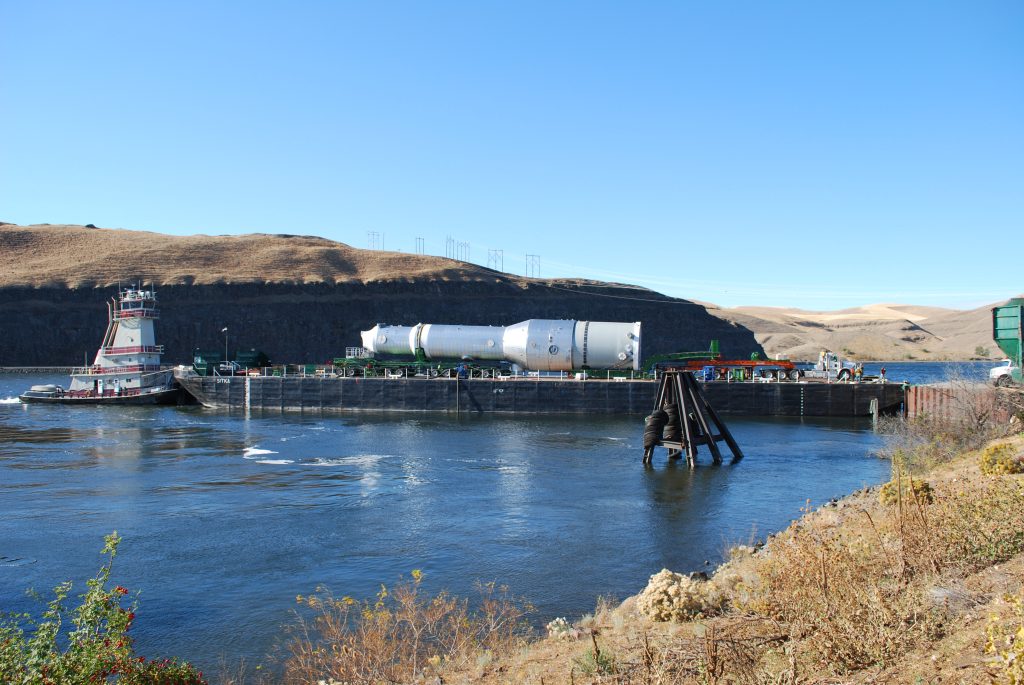
From replacement equipment to new process applications, we work with customers and EPCs to fabricate equipment around the project's mechanical, thermal and transportation requirements.
Materials matched to temperature and stream.
Low-temperature duty and contaminant-bearing feed gas pull in different directions, and the alloy has to answer both. See our materials and metallurgy capability and current certifications.
Materials, Codes & Standards
- 304L, 316L, duplex & AL-6XN
- High-nickel alloys for contaminants
- Carbon steel for structural applications
- ASME Section VIII, Div. 1
- TEMA exchangers & API 620/650 tanks
- Lethal & cyclic service designs
LNG equipment questions.
What equipment does Harris Thermal fabricate for LNG facilities?
Shell-and-tube heat exchangers, process coolers and heaters, condensers, replacement exchangers and tube bundles, ASME Section VIII pressure vessels, separators and knockout drums, accumulators, process vessels, absorber and scrubber columns, custom shop-fabricated tanks within our scope, and stainless and high-alloy equipment for low-temperature service. Harris Thermal fabricates equipment for integration into LNG processing and handling systems; pumps, valves, instrumentation, controls and complete packaged systems are supplied by others.
Can Harris Thermal fabricate cryogenic tanks and pressure vessels?
Yes, within Harris Thermal's qualified shop-fabricated capabilities and subject to the project's design temperature and pressure, material, code, fabrication, testing and transportation requirements. Equipment is shop-fabricated and shipped complete; Harris Thermal does not perform field erection, so facility-scale field-erected LNG storage tanks are outside this scope.
What materials are used for low-temperature LNG service?
Stainless steels including 304L and 316L, duplex stainless, AL-6XN, high-nickel alloys for contaminant-bearing streams, and carbon steel on structural and non-cryogenic duty. Low-temperature service brings its own impact-testing and weld-qualification requirements, and those follow the code and the project specification.
Building or upgrading an LNG facility?
From liquefaction trains to facility upgrades, tell us the duty, the design temperature, and the code requirement.